
Signs Your Commercial Property Needs Flea And Tick Treatment
Noticing signs your commercial property has fleas or ticks can indicate a need for professional treatment, and local contractors can help eliminate pests effectively.
Property owners managing commercial spaces in the area should stay alert to signs that indicate a flea and tick problem may be developing. Common indicators include increased activity around the perimeter, visible fleas or ticks on pets or employees, or unexplained bites and skin irritations. Recognizing these early warning signs can help prevent a minor issue from escalating into a larger infestation that could impact the safety and comfort of everyone on the property. When these signs appear, local contractors specializing in flea and tick treatment can provide targeted solutions to address the problem effectively.
Exploring flea and tick treatment options is especially practical for property owners who want to maintain a pest-free environment for tenants, customers, or staff. Fleas and ticks can quickly spread if not managed promptly, leading to potential health concerns and disruptions. Consulting with experienced local service providers can ensure the appropriate treatment methods are used to protect the property and its occupants. Keeping an eye out for early signs and connecting with knowledgeable professionals can make a significant difference in maintaining a safe, pest-free commercial space.
- Commercial property maintenance - when signs of flea and tick activity such as frequent pest sightings or pet infestations appear, local contractors can assess and treat the area effectively.
- Pest infestation detection - if there are reports of increased flea or tick presence on the property, local service providers can identify hotspots and apply targeted treatments.
- Property inspection services - noticing signs like scratching animals or flea dirt in common areas prompts local pros to perform thorough inspections and recommend treatment plans.
- Preventive pest control - ongoing signs of pest activity or seasonal changes may lead property owners to seek proactive flea and tick treatments from nearby contractors.
- Wildlife and pest management - evidence of wildlife carrying fleas or ticks around the premises indicates the need for professional treatment to prevent infestations.


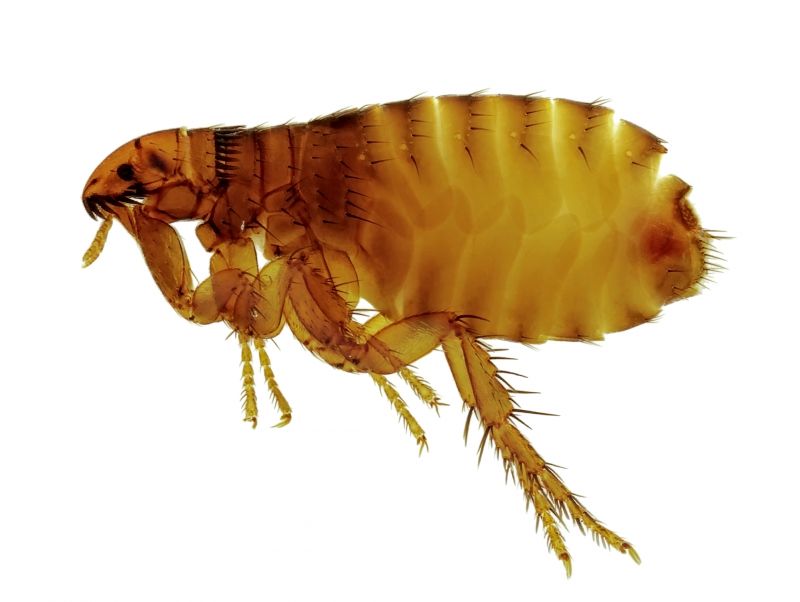
When considering signs your commercial property needs flea and tick treatment, property owners often notice specific indicators that pests have established a presence. One common sign is an increase in adult fleas or ticks on outdoor surfaces, especially in shaded, grassy, or wooded areas. If there are visible fleas jumping around or ticks attaching to employees, clients, or visitors, it suggests that the pests have found suitable environments to thrive. Additionally, if there are signs of flea or tick activity on pets or employees’ clothing, it indicates a potential infestation that could spread throughout the property. Recognizing these signs early helps property managers determine when professional treatment is necessary to prevent further issues.
The need for flea and tick treatment on commercial properties is often linked to ongoing pest problems or preventative plans. For instance, properties that host outdoor seating areas, playgrounds, or landscaped gardens are more vulnerable to flea and tick infestations, especially during warmer months. In some cases, property owners may notice an uptick in complaints about pests or see a rise in flea and tick activity after a period of neglect or seasonal changes. Commercial properties involved in outdoor activities or with significant greenery are particularly susceptible to pest problems that can impact safety and comfort. Addressing these signs promptly with professional treatment can help maintain a pest-free environment and prevent infestations from spreading.
Certain types of properties are more likely to encounter flea and tick issues, particularly those with extensive outdoor spaces or natural landscaping. Office complexes with courtyards, retail centers with outdoor seating, or industrial sites with surrounding wooded areas are common examples. Properties with pet-friendly amenities or those that regularly host outdoor events are also at higher risk. Additionally, properties located near parks, forests, or undeveloped land are more prone to pest incursions. Recognizing the characteristics of these properties helps owners understand when flea and tick treatment might be necessary to protect visitors, employees, and the overall environment from pest-related concerns.
Local service providers specializing in flea and tick treatment can offer tailored solutions for different commercial properties based on their unique needs. Whether a property has extensive outdoor spaces, high foot traffic, or specific landscaping features, these professionals can assess signs of infestation and recommend appropriate treatment plans. Regular inspections and preventative treatments are often part of managing flea and tick risks, especially in properties where outdoor exposure is unavoidable. Connecting with experienced local contractors ensures that commercial properties receive effective pest control measures, helping to keep outdoor areas safe, clean, and comfortable for everyone.
Pest Control Treatments - Professionals who specialize in pest control can address flea and tick infestations on commercial properties, sharing similar planning and treatment methods.
Commercial Landscaping - Landscaping projects often require knowledge of pest prevention and treatment strategies to maintain healthy outdoor environments.
Property Inspection Services - Inspectors assess signs of pest activity, including fleas and ticks, helping property owners determine when treatments are necessary.
Sanitation and Cleaning Services - Deep cleaning services help eliminate flea and tick habitats, supporting pest control efforts on commercial sites.
Wildlife Exclusion Projects - These projects involve identifying and sealing entry points that pests like fleas and ticks may use to infest properties.
Outdoor Pest Barrier Installations - Installing physical barriers around commercial properties helps prevent flea and tick populations from establishing nearby.
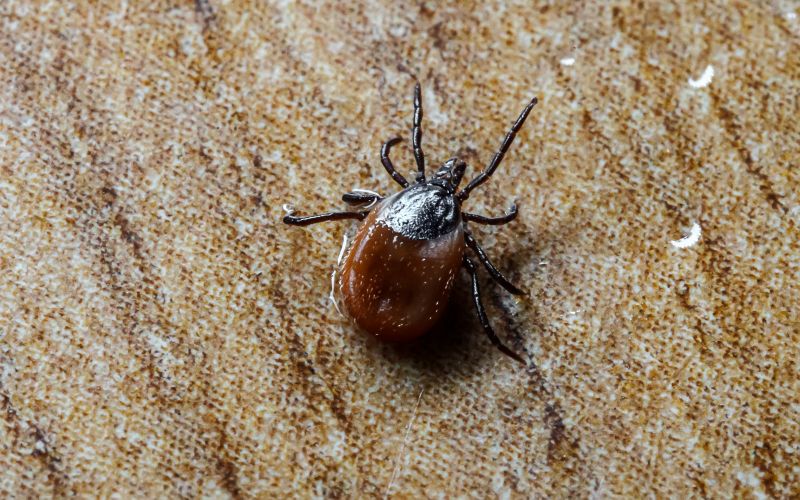
When evaluating service providers for flea and tick treatment on a commercial property, it is important to consider their experience with similar projects. Contractors who have handled properties with comparable size, layout, or pest issues are more likely to understand the specific challenges involved. Asking about their past work related to flea and tick control can provide insight into their familiarity with effective treatment strategies and the unique needs of commercial environments. This background can help ensure that the chosen service provider is well-equipped to address signs your commercial property needs flea and tick treatment efficiently and thoroughly.
Clear written expectations are essential when comparing local contractors for flea and tick services. A reputable service provider should be able to outline the scope of work, the methods they intend to use, and what the property owner can expect during and after the treatment process. Having these details in writing helps prevent misunderstandings and ensures that both parties are aligned on the objectives. When reviewing proposals or estimates, look for detailed descriptions of the treatment plan and any follow-up recommendations, which can be indicators of professionalism and transparency.
Reputable references and good communication are key factors in selecting a reliable contractor. Service providers who can provide references from previous clients with similar properties demonstrate a history of satisfactory work. Additionally, clear and responsive communication during the inquiry process reflects their professionalism and willingness to address questions or concerns. This open dialogue can be especially valuable when discussing signs your commercial property needs flea and tick treatment, as it helps ensure that the contractor understands the specific issues and can tailor their approach accordingly.
Property owners often search for signs your commercial property needs flea and tick treatment when they are planning practical projects around their homes and businesses. Local pros provide Flea And Tick Treatment services for everyday jobs and straightforward project options.
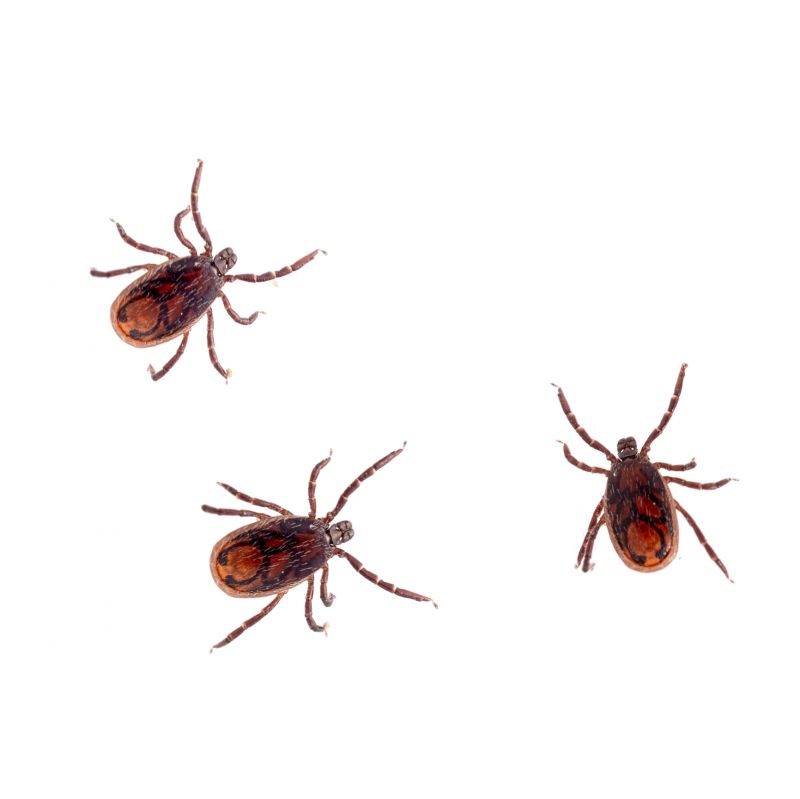
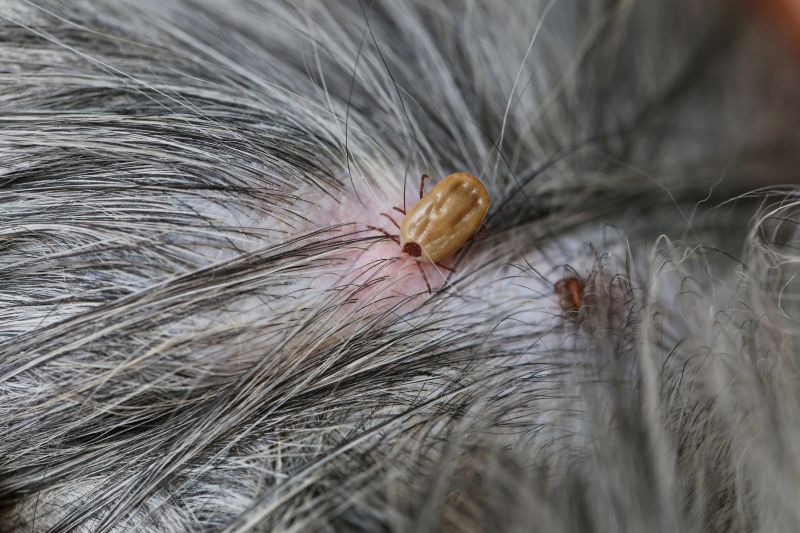
Recognizing signs that a commercial property may need flea and tick treatment is an important step for property owners managing outdoor spaces or pet-friendly areas. If there are increased sightings of fleas or ticks around the premises, or if pets and employees start showing signs of bites and irritation, it could indicate an infestation. Additionally, the presence of flea dirt or ticks crawling on furniture, carpets, or outdoor surfaces may suggest that pests have established a foothold. When these signs appear, consulting with local contractors experienced in pest control can help determine whether flea and tick treatment is necessary to maintain a safe and comfortable environment.
Other indicators that a commercial property might require flea and tick treatment include noticing an increase in animal activity, such as stray animals or wildlife frequenting the area, which can carry these pests. Overgrown vegetation, unmanaged grassy patches, or shaded outdoor zones can also create ideal habitats for fleas and ticks. Property owners who observe these conditions or see evidence of pests should consider reaching out to local service providers specializing in pest management. These experts can assess the situation and implement appropriate treatment measures to help prevent further infestations and protect the health of everyone on the property.
What are common signs that a commercial property might need flea and tick treatment? Signs include visible fleas or ticks on pets or employees, increased scratching or biting, and the presence of flea dirt or ticks in common areas.
How can I tell if fleas or ticks are present in outdoor areas of a commercial property? Look for signs such as flea or tick bites on animals, sightings of adult fleas or ticks, or areas with high grass and debris where these pests tend to hide.
Are there specific indicators that suggest a flea or tick infestation is spreading indoors? Indicators include finding fleas or ticks on indoor pets, noticing flea dirt on furniture or carpets, and experiencing increased pest activity in common indoor spaces.
What symptoms might indicate a flea or tick problem affecting employees or visitors? Symptoms include bites causing itching or irritation, allergic reactions, or a noticeable increase in pest activity around the property.
When should a property owner consider scheduling flea and tick treatment with local service providers? Treatment should be considered when signs of infestation are observed or if outdoor conditions favor pest activity, especially in areas with frequent animal or pest sightings.
Unexplained flea or tick activity - noticing fleas or ticks in common areas can indicate a need for treatment services to address an active infestation.
Signs of bites on employees or visitors - frequent reports of bites or itching may suggest that pests are present and require professional treatment.
Presence of flea dirt or tick debris - observing small dark specks or shed skins around the property can be a sign that local contractors should evaluate for pests.
Infestation in outdoor areas - high activity in lawns, landscaping, or outdoor seating areas can signal the need for targeted flea and tick treatment services.
If you are thinking about signs your commercial property needs flea and tick treatment for a property, this guide is meant to help you understand this topic, the typical project types, and how different options might fit your plans.
When you are ready, you can use the quote form on this page to share a few details about your project. From there, local pros can review the basics and follow up with options that match what you have in mind.