
Bug And Insect Prevention Strategies
People searching for bug and insect prevention strategies often want effective ways to keep pests away, and local service providers can help implement proven solutions.
If pests like bugs and insects are a concern for property owners in the area, exploring effective prevention strategies is a practical step toward maintaining a comfortable and pest-free space. Understanding how insects enter and thrive around properties can help homeowners and business owners take proactive measures to protect their investments. Whether it’s sealing entry points, managing outdoor clutter, or implementing other targeted tactics, these approaches can make a noticeable difference. Local service providers specializing in bug and insect prevention can offer tailored solutions that address the unique needs of each property, helping to keep unwanted visitors outside where they belong.
Continuing to learn about bug and insect prevention strategies can empower property owners to make informed decisions about pest management. Many local contractors offer services designed to complement these strategies, providing professional assistance to enhance the effectiveness of prevention efforts. By partnering with experienced service providers, property owners can better safeguard their spaces from infestations and minimize disruptions caused by pests. Keeping pests at bay often involves a combination of practical adjustments and expert support, making it worthwhile to explore the options available in the local area.
- Inspection and Assessment - when homeowners notice frequent insect activity or signs of pests, local contractors evaluate property vulnerabilities to develop effective prevention plans.
- Barrier Treatments - for properties experiencing recurring insect invasions, service providers apply physical or chemical barriers to prevent bugs from entering living spaces.
- Landscaping and Exterior Maintenance - if overgrown vegetation or standing water attract insects, local pros recommend exterior modifications to reduce pest habitats.
- Ongoing Prevention Programs - in cases where ongoing insect issues persist, service providers establish regular treatments and monitoring to maintain a bug-free environment.
- Education and Recommendations - when residents seek to implement bug prevention strategies themselves, local contractors offer guidance on best practices and preventative measures.
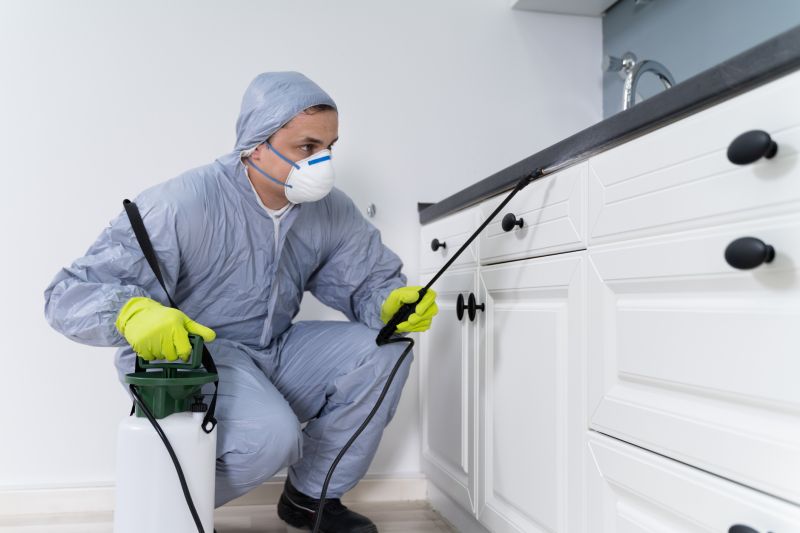
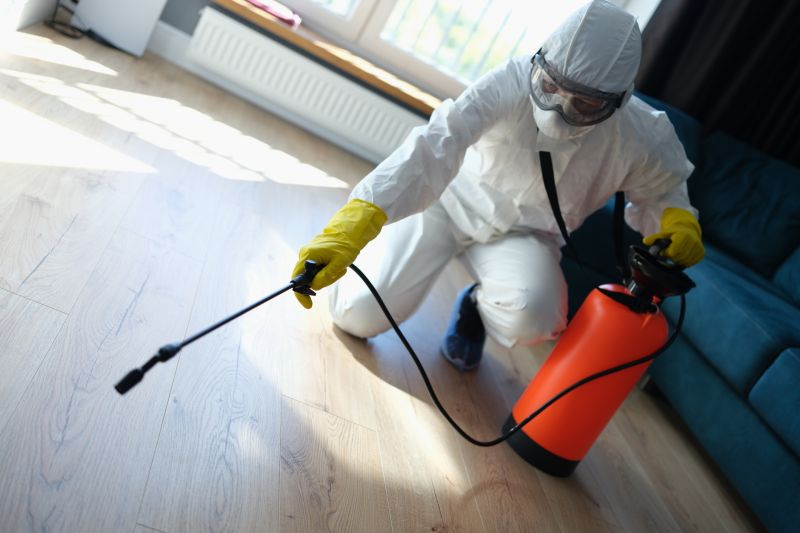
When searching for bug and insect prevention strategies, homeowners typically want to understand how to keep pests out of their properties and create a more comfortable living environment. This topic often comes up when residents notice an increase in insects like ants, spiders, mosquitoes, or flies around their homes, especially during warmer months. People are usually looking for practical solutions to prevent these pests from entering or establishing themselves indoors or in outdoor living areas. They may also be interested in understanding the most effective methods to reduce pest activity without relying solely on chemical treatments, seeking a comprehensive approach that addresses common entry points and attractants.
Bug and insect prevention strategies relate closely to a variety of property-related concerns. Many homeowners want to protect their homes from infestations that can cause damage or health issues, such as mosquito-borne illnesses or ant colonies that threaten structural integrity. These strategies often involve identifying and sealing entry points like gaps around windows and doors, managing landscaping to eliminate pest harborage, and implementing barrier methods to block pests from entering. Additionally, some plans include ongoing maintenance tasks, such as removing standing water or debris that attract insects. Local service providers specializing in pest prevention can evaluate a property’s unique vulnerabilities and recommend tailored solutions that fit the specific needs of each home.
Properties that typically come up in discussions about bug and insect prevention include single-family homes, townhouses, and multi-unit residential buildings. These properties often have outdoor spaces like yards, gardens, or patios that can serve as breeding grounds or shelter for pests. Commercial properties, such as restaurants or retail stores, may also seek pest prevention strategies to maintain hygiene standards and comply with health regulations. Regardless of the property type, the goal is to implement a combination of physical barriers, environmental modifications, and maintenance practices that work together to reduce pest activity. Local contractors who specialize in pest prevention services can assess these properties and help develop customized plans that address specific pest challenges.
Effective bug and insect prevention strategies are practical and proactive, focusing on reducing the conditions that attract pests and creating barriers to entry. Homeowners can work with local service providers to identify problem areas and implement targeted solutions, such as sealing cracks, installing screens, or applying preventive treatments around the property perimeter. These strategies are often part of an integrated pest management approach, emphasizing ongoing maintenance and environmental awareness. Connecting with experienced local contractors ensures that the chosen prevention methods are appropriate for the property’s layout and pest issues, helping to establish a pest-resistant environment. This collaborative approach makes it easier for homeowners to manage pest concerns effectively and enjoy a more comfortable living space.
Pest Control Planning - Local contractors specializing in pest control planning develop strategies to prevent bugs and insects from entering properties, using techniques similar to those in bug and insect prevention strategies.
Property Inspection Services - Inspection professionals assess properties for entry points and conducive conditions, helping identify areas where bug and insect prevention measures can be most effective.
Sealant and Barrier Installation - Service providers install physical barriers and sealants around buildings, which align with bug and insect prevention strategies to block pests' access.
Landscaping and Exterior Maintenance - Landscaping experts implement exterior modifications that reduce pest habitats, supporting bug prevention efforts through proper planning and execution.
Rodent and Pest Deterrent Installation - Local pros install deterrents and traps that complement bug and insect prevention strategies by reducing pest populations around properties.
Wildlife Exclusion Projects - Specialists focus on excluding wildlife and pests from structures, employing planning and techniques similar to those used in insect prevention strategies.

When comparing service providers for bug and insect prevention strategies, it is important to consider their experience with similar projects. Homeowners should look for local contractors who have a proven track record of successfully handling bug and insect prevention services in residential settings. A contractor’s familiarity with the specific types of pests common in the area, as well as their knowledge of effective prevention methods, can make a significant difference in achieving long-lasting results. Asking about past projects or requesting references can help gauge a provider’s expertise and reliability in managing bug and insect prevention strategies effectively.
Clear, written expectations are essential when choosing a local contractor for bug and insect prevention services. The scope of work, materials used, and the anticipated outcomes should be outlined in a detailed proposal or agreement. This clarity helps prevent misunderstandings and ensures that both parties are aligned on what the service entails. Homeowners should seek service providers who communicate expectations transparently and are willing to answer questions about their approach to pest prevention, including any follow-up or maintenance recommendations that may be necessary to sustain the effectiveness of the strategies.
Reputation and communication are key factors to consider when evaluating local service providers for bug and insect prevention. Reputable contractors often have established references or reviews that attest to their professionalism and quality of work. Good communication throughout the process-such as timely responses to inquiries and clear explanations of the methods employed-can contribute to a smoother experience and better results. Choosing a provider who values open dialogue and demonstrates a thorough understanding of bug and insect prevention strategies can help ensure that the homeowner’s concerns are addressed and that the pest prevention plan is tailored to the specific needs of the property.
Property owners often search for bug and insect prevention strategies when they are planning practical projects around their homes and businesses. Local pros provide Bug and Insect Prevention services for everyday jobs and straightforward project options.


Property owners often seek bug and insect prevention strategies to maintain a comfortable and pest-free living environment. Simple measures like sealing cracks, removing standing water, and maintaining landscaping can significantly reduce the likelihood of unwanted insects entering the home. When these basic steps are not enough, many turn to local contractors who specialize in pest prevention services to implement more comprehensive solutions, such as barrier treatments or targeted exclusion methods.
In everyday project situations, homeowners might look into bug and insect prevention strategies to protect outdoor spaces during gatherings or to prevent infestations before they start. Engaging with experienced service providers can help identify vulnerable areas and recommend effective prevention techniques tailored to the specific needs of the property. Connecting with local contractors ensures that pest prevention efforts are handled professionally, helping to keep homes and outdoor areas comfortable and pest-free throughout the season.
What are effective bug and insect prevention strategies? Local service providers can recommend a combination of sealing entry points, removing standing water, and applying barriers to help prevent bugs and insects from entering the property.
How can I reduce the likelihood of pests around my home? Professionals often suggest maintaining cleanliness, trimming vegetation away from the structure, and implementing physical barriers as part of comprehensive bug and insect prevention strategies.
Are there specific prevention methods for certain types of insects? Yes, local contractors can tailor prevention strategies for specific pests such as ants, mosquitoes, or termites, using targeted barriers and treatments suited to each insect type.
What role do landscaping practices play in insect prevention? Proper landscaping, including removing debris and managing mulch, can help reduce hiding spots for insects and support effective bug prevention efforts by local service providers.
Can professional pest prevention services help maintain a bug-free environment? Yes, experienced local contractors can implement ongoing prevention strategies to minimize the presence of insects and maintain a healthier outdoor and indoor space.
Seal entry points - Installing weather stripping and sealing gaps around doors and windows can prevent bugs from entering the property, and local contractors can handle these simple fixes.
Maintain yard cleanliness - Regularly trimming bushes, removing debris, and managing standing water can reduce insect habitats, with local pros providing guidance on effective yard management.
Apply targeted barriers - Setting up physical barriers like screens or mesh around vents and openings helps keep insects out, and local service providers can assist with proper installation.
Implement landscaping strategies - Choosing insect-repelling plants and adjusting landscaping layouts can deter pests, with local experts offering advice on plant placement and garden design.
If you are thinking about bug and insect prevention strategies for a property, this guide is meant to help you understand this topic, the typical project types, and how different options might fit your plans.
When you are ready, you can use the quote form on this page to share a few details about your project. From there, local pros can review the basics and follow up with options that match what you have in mind.